Most people think of freezing weather as the enemy of plumbing, but in Phoenix and the West Valley the real stress test is summer. Weeks of temperatures well over 100 degrees, ground that bakes, and water that arrives at the tap already warm all take a toll on a home plumbing system in ways that a milder climate never sees.
A little preparation before the worst of the heat arrives prevents the failures that turn into emergency calls in July and August. Here is what desert heat does to your plumbing and how to get ahead of it.
How Heat Stresses Your Pipes
Materials expand and contract with temperature, and extreme heat accelerates that cycle. Exposed pipes on sun-facing walls, in attics, and along the exterior of the home take the brunt of it, and older or already-corroded lines are the most likely to develop leaks or fail at a weakened joint.
Attics in Arizona can exceed 150 degrees in summer, which is brutal on any plumbing routed through them. Combined with the internal scaling that hard water causes, sustained heat is a leading reason pipes that were fine in spring start leaking at the peak of summer.
Your Water Heater Works Overtime
It sounds backward, but summer is hard on water heaters too. Many sit in hot garages where the ambient temperature adds stress, and the sediment that hard water leaves in the tank makes the unit work harder year-round. The heat simply compounds an existing burden.
Late spring, before the extreme heat sets in, is the ideal time to flush the tank and have the unit inspected. Clearing sediment restores efficiency and catches problems early, so you are not left without hot water, or with a leaking tank, during the busiest season for plumbers.
Outdoor Plumbing Takes a Beating
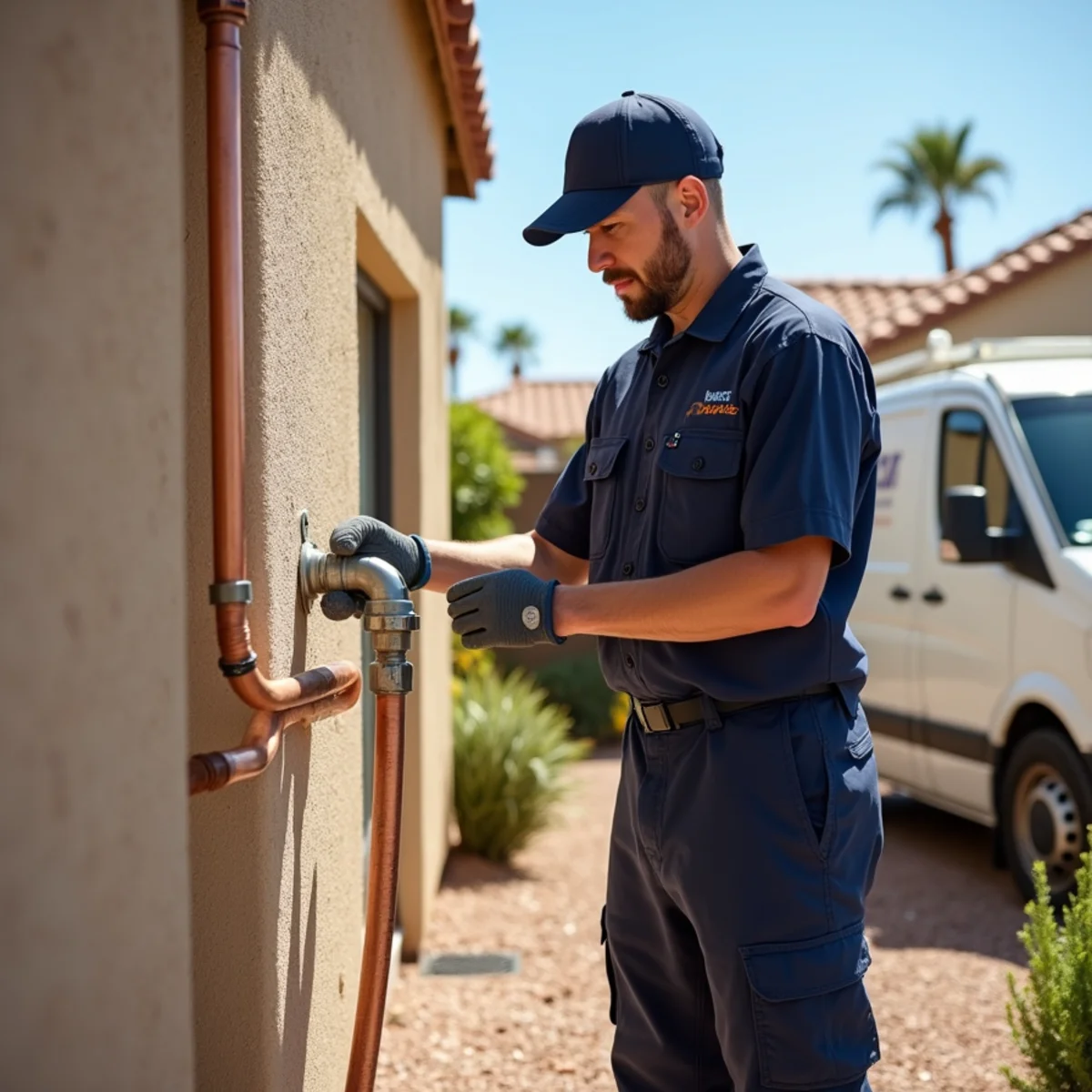
Hose bibs, irrigation lines, pool equipment, and exterior fixtures live in direct sun and endure the widest temperature swings of anything in your system. UV exposure degrades exposed materials, and a small crack in an outdoor line can waste enormous amounts of water unnoticed.
Before summer peaks, check exterior fixtures and irrigation for drips and cracks, and consider insulating or shading the most exposed lines. Catching an outdoor leak early saves water and prevents a small failure from becoming a flooded yard or a spike in your bill.
- Inspect hose bibs and outdoor faucets for drips and cracks
- Check irrigation lines and valves before peak season
- Insulate or shade exposed exterior and attic piping
- Watch pool equipment and connections for leaks
Watch for the Warning Signs
Heat-driven problems often start small. A drop in water pressure, an unexplained rise in your water bill, damp spots on walls or ceilings, or the sound of running water with everything off can all signal a developing leak. In summer, act on these quickly, because heat tends to turn a minor leak into a larger one.
If you suspect a hidden leak, professional leak detection finds it without guesswork or unnecessary demolition. Madrid Plumbing serves Phoenix and the West Valley and can locate a heat-stressed leak before it damages your home.
When Aging Pipes Meet Extreme Heat
For older homes, repeated summers of thermal stress on top of hard-water corrosion eventually push aging pipes past the point of patching. If you are seeing more than one leak a season, or the same line keeps failing, that pattern points toward repiping rather than another spot repair.
Modern PEX handles temperature swings better than old metal pipe and resists scale, which is why it is the common choice when a heat-battered system needs replacement. A professional assessment tells you whether targeted repairs will hold or whether a repipe is the sounder long-term investment.
A Simple Pre-Summer Routine
The best defense against summer plumbing trouble is a short routine done in late spring, before the extreme heat arrives and before plumbers are swamped with peak-season emergencies. Walk the exterior first, checking every hose bib, irrigation valve, and pool connection for drips and cracks, and clearing or shading the most sun-exposed lines.
Inside, flush and inspect the water heater, test that your main and fixture shutoffs actually turn, and check your water pressure with an inexpensive gauge, since pressure that is too high compounds heat stress on your pipes. Finally, run the meter test with all water off to catch any hidden leak while it is still small. Twenty minutes of checking in April or May prevents the kind of failure that becomes an emergency call in July. Putting these tasks on the calendar every spring turns summer from a season of worry into one you are genuinely ready for, and it spares you both the discomfort and the premium cost of peak-season emergency service.
- Inspect hose bibs, irrigation, and pool connections
- Flush and inspect the water heater before peak heat
- Test shutoff valves and check water pressure
- Run the meter test to catch hidden leaks early
How Madrid Plumbing Can Help
Frequently Asked Questions
Yes. Sustained high temperatures cause pipes to expand and contract, stressing joints and weakened sections, especially exposed lines on sun-facing walls and in hot attics. Combined with hard-water corrosion, summer heat is a common trigger for leaks.
Late spring, before the extreme heat arrives, is ideal. Flush and inspect the water heater, check exterior fixtures and irrigation, and address any small leaks then, so problems do not surface during the peak-demand summer months.
Higher irrigation and cooling use explain part of it, but a sudden jump can signal a heat-stressed leak in outdoor lines, irrigation, or hidden piping. If the increase is unexplained, professional leak detection can find the source.